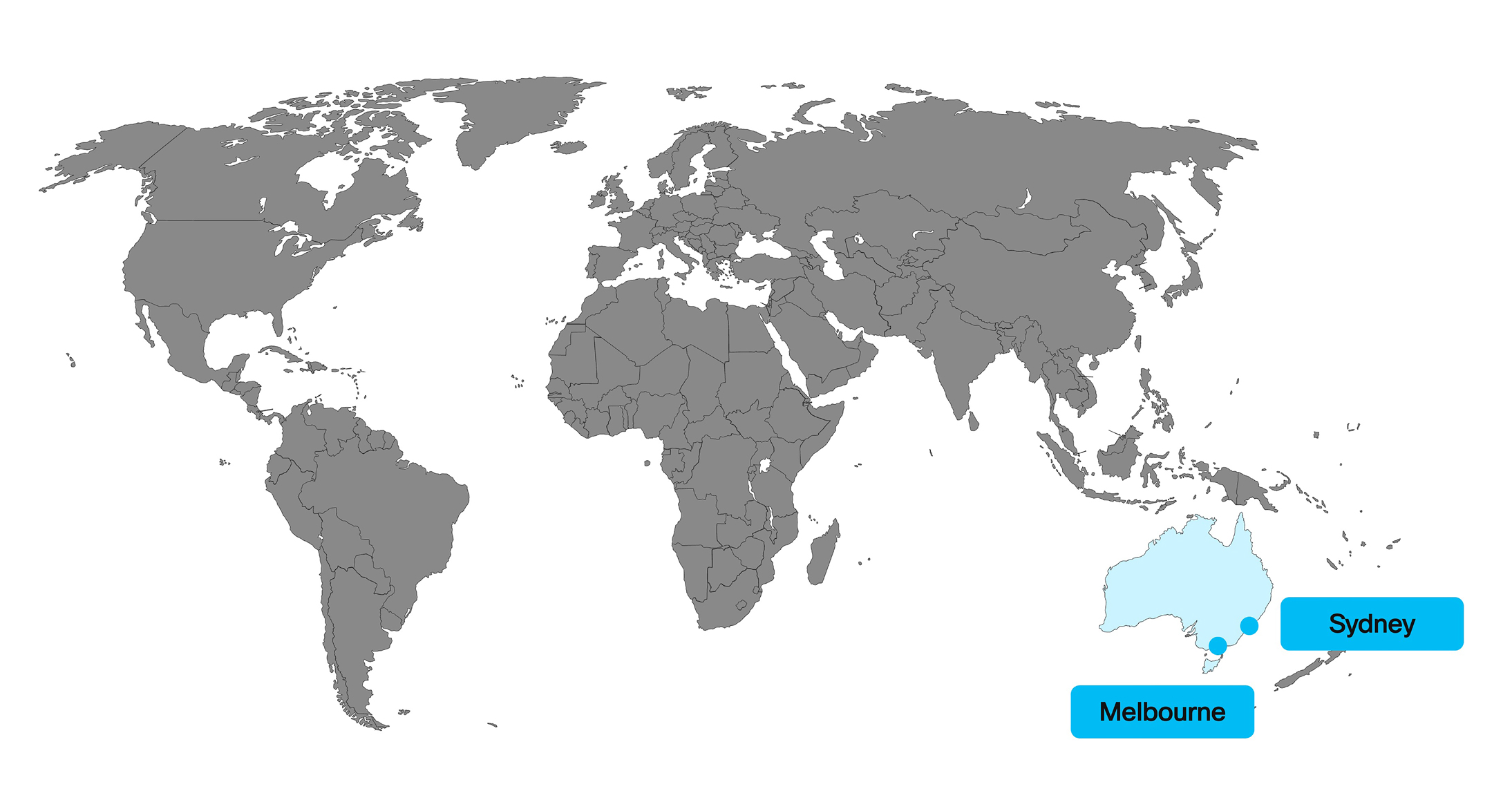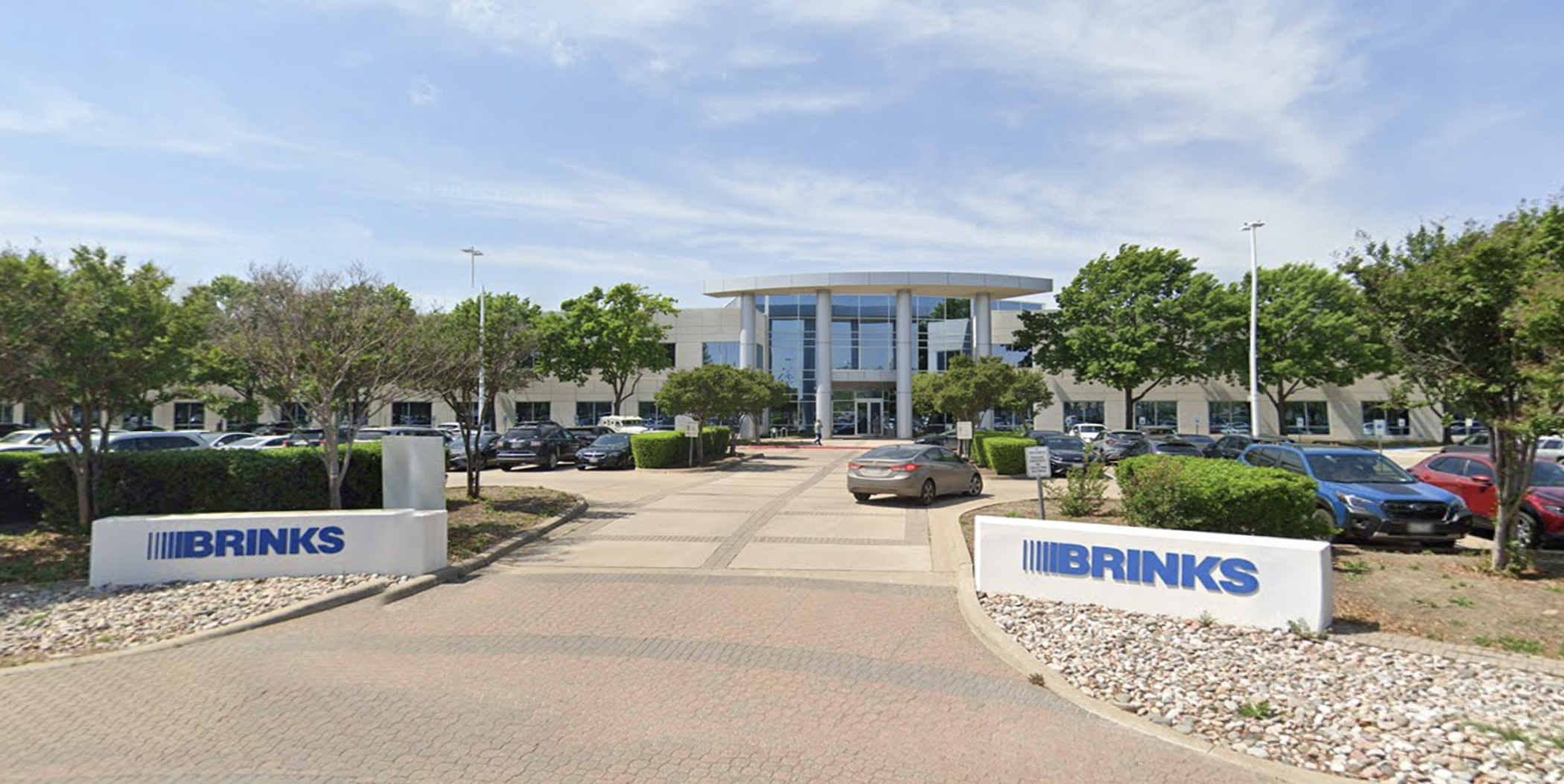
For over 160 years, Brinks, Inc. has been synonymous with security, reliability, and trust. As the world’s leading armored transportation and cash logistics provider, Brinks operates over 220 branches across the U.S. and Canada, and boasts a truly global footprint with thousands of locations and assets worldwide. The company’s signature armored trucks and secure services are relied upon by banks, retailers, and institutions in over 50 countries, moving cash and valuables with precision and care.
In an era of rapid digital transformation and evolving work models, Brinks recognized that its communication infrastructure needed to be as resilient and agile as its core business. Ensuring seamless, efficient, and secure communication—across time zones, geographies, and a complex operational landscape—was non-negotiable for maintaining customer trust and operational excellence. For Paul Brookshire, Sr. VoIP Engineer at Brinks, this challenge presented an opportunity: “Using Webex Calling has been a game changer for Brinks. Using Control Hub has allowed us to manage users through a single pane of glass.”
The Challenge
As Brinks scaled its operations, it saw an opportunity to streamline operations by migrating Cisco UCM on premises to the cloud with Webex Calling. With over 4,000 users and 150,000–190,000 calls per month in the Americas alone, managing disparate systems across more than 220 branches was becoming increasingly complex and resource-intensive. The existing infrastructure required substantial hardware deployment and manual configuration at each site—a process that consumed valuable IT resources and slowed response times.
“Moving from on-prem call manager into the Webex environment was a huge challenge for us at Brinks because we had to figure out a way to migrate all 220 branches from an on-prem solution into the cloud,” recalled Brookshire. “Our main concern was how do we migrate over 220 branches without affecting the customer and our end users?”
In addition to technical hurdles, the evolving needs of a distributed workforce brought new demands. Many Brinks employees needed to collaborate virtually, handle customer inquiries from anywhere, and adapt quickly to changing market conditions. “One of the biggest challenges, of course, being remote, is that a lot of the users are having to learn how to collaborate in a virtual world,” Brookshire noted. “By using teams, it’s easier for us to work together.”
Moreover, Brinks wanted to maintain its reputation for reliability and customer service through every transition. Any downtime, communication delays, or missed calls could impact not just internal teams but also the high-value customers who depend on Brinks’ services every day.

The Solution
After a thorough evaluation of options, Brinks selected Webex Calling as the foundation for its new global communications platform. The decision was driven by the need for seamless integration, scalability, and a clear migration path from its existing systems. “We did multiple evaluations, and we decided that Webex was the best solution for us,” said Brookshire. “The main reason was the integration that was possible with our current on-prem solution. Webex Calling allowed us to do a seamless migration, which was better for us and the customers.”
A critical component of the project was Cisco’s Webex Control Hub, which provided a unified, cloud-based interface for managing users, devices, and sites—regardless of location. With the ability to provision, monitor, and troubleshoot from a single pane of glass, Brinks’ IT team gained unprecedented agility and control. “Having to manage over 220 branches, it’s critical to have a single pane of glass to manage all the users and endpoints, as Control Hub does a very good job of it,” Brookshire emphasized.
The solution also enabled the strategic rollout of new features and automation. Brinks implemented auto attendants for all inbound calls, ensuring that every customer and employee inquiry was routed quickly and efficiently. “Our monthly call volume at Brinks averages around 150,000 calls per month. Every call is entered by an auto attendant, so the customer has options to choose which department or feature they’re after,” explained Brookshire. The company has plans to further enhance the customer experience by introducing AI-powered receptionists in the future.
Deployment & Adoption
The migration from on-premises to the Webex cloud was executed with remarkable speed and precision, thanks to careful planning and the flexibility of the Webex Calling platform. Brinks established a SIP trunk to connect its legacy systems with the cloud, enabling a controlled and branch-by-branch migration schedule. “We had to integrate via a SIP trunk, which then allowed us to have one single port for all of our 10,000-plus DIDs, which then allowed us to migrate on our schedule, branch to branch,” Brookshire explained.
Incredibly, the entire migration across the Americas was completed in less than 60 days—a testament to the dedication of the Brinks team and the support of Cisco and its partners. “It was a massive undertaking, and we actually did that in under 60 days,” said Brookshire. “It took a massive coordination effort, but using Webex Calling and Control Hub has allowed us to easily deploy and install new locations by using a single pane of glass, which has virtually allowed us to manage all of our endpoints and users much easier.”
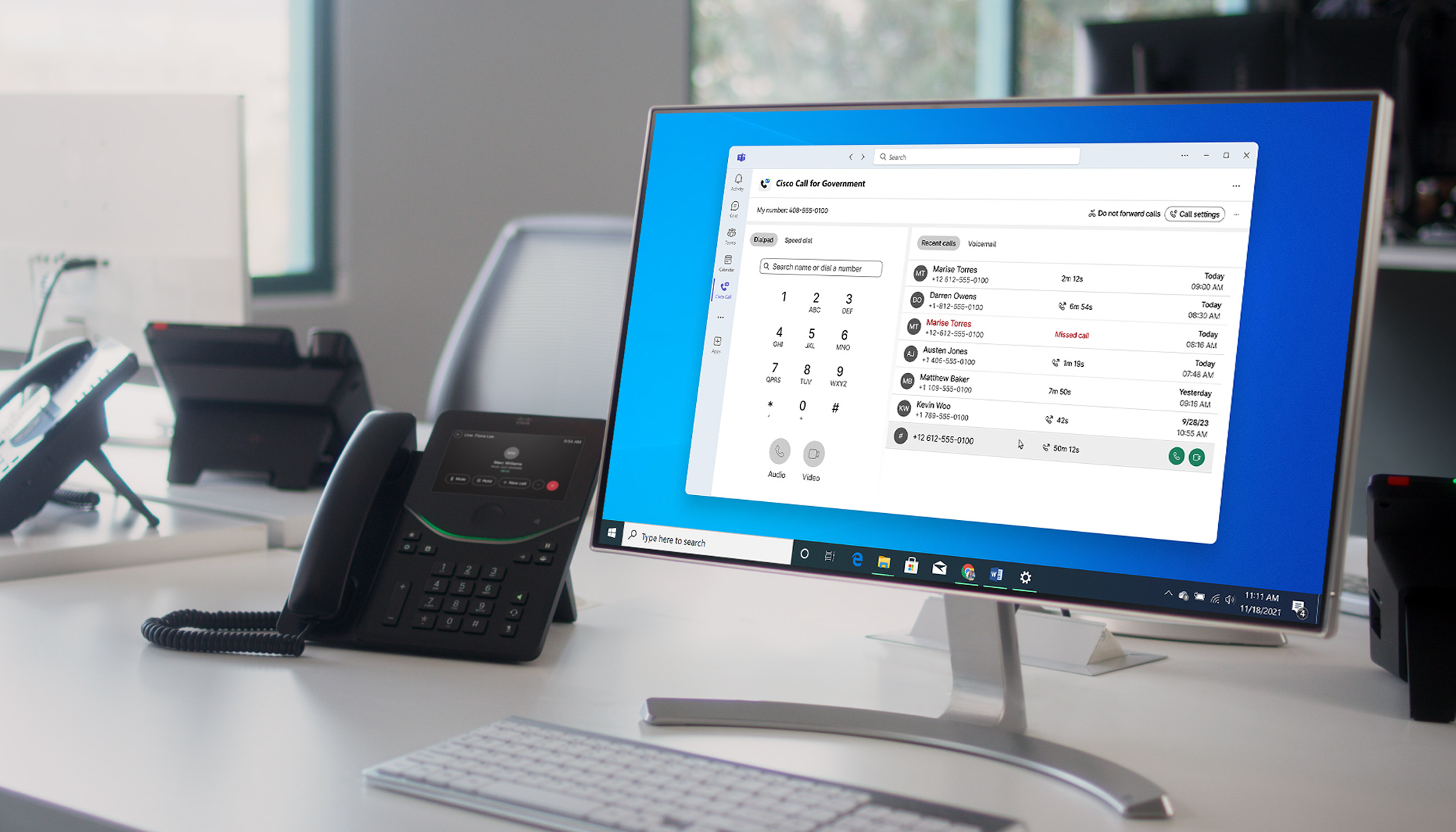
Employee adoption was a key focus from the start. All of Brink’s inbound and outbound calls—both customer-facing and branch-to-branch—were migrated to Webex Calling. The IT team provided training and support, ensuring that users could access the new platform on their PCs or mobile devices with ease. “We’ve got all of our users trained to just have the Webex application on their PCs and/or cell phones and just use that app. And that seems to work perfectly,” Brookshire shared.
Additionally, Brinks leveraged Cisco Boards and integration licenses to allow seamless meetings between Microsoft Teams and Cisco hardware, enhancing the conferencing experience in branch offices and conference rooms. “The integration Cisco and Microsoft Teams has partnered with has allowed for a much smoother experience during conferences,” Brookshire noted.
Results & Impact
The transition to Webex Calling has delivered transformative results across Brinks’ operations. The IT team now manages more than 4,000 users and 220 branches through the Webex Control Hub, dramatically reducing administrative overhead and enabling real-time oversight. “The tangible result was Brinks being able to manage all of our branches from a single pane of glass. I’m the only voice engineer at Brinks, so being able to utilize that single pane of glass for all of the branches across the Americas is significant for us,” said Brookshire.
Operational efficiencies have soared. Hardware footprints at corporate offices were reduced as softphone applications replaced desk phones, while branch locations retained dedicated devices for mission-critical communication. “With the new platform, we’ve been able to reduce the footprint of all the phones. At our corporate office and global office, we have implemented a softphone application only. Only our branch locations have the actual physical desk phones,” Brookshire explained.
Customer experience has also improved, with positive feedback on the auto attendant system and seamless call routing. “The customer feedback has been very positive, and we’re looking to implement AI receptionists to help enhance the customer experience,” said Brookshire.
Perhaps most impressive is the agility with which Brinks can now respond to business needs, whether scaling up for acquisitions, integrating new branches, or quickly deploying communication solutions to new locations. “Using Webex Calling has been a game changer for Brinks. Using Control Hub has allowed us to manage users through a single pane of glass,” Brookshire reiterated.
Future Plans
Looking ahead, Brinks is poised to build on its Webex Calling foundation to drive further innovation and growth. The company is rolling out Webex Calling to each newly acquired or merged branch, ensuring global consistency and scalability. “Our plan is to roll out Webex at each location as we retire or merge branches,” Brookshire shared.
Brinks is also exploring enhanced integrations and automation, such as deploying AI-powered receptionists to further streamline customer service. The IT team is keeping a close eye on developments in AI and analytics, eager to leverage new tools that align with Brinks’ commitment to security, efficiency, and superior service. “If I would hear of other use case scenarios, you know, that we could use at Brinks, I’d be happy to implement them,” said Brookshire, emphasizing the company’s openness to continuous improvement.
Most importantly, Brinks’ journey demonstrates how a global, mission-critical organization can harness the power of cloud communications to deliver on its promise of reliability and trust—no matter where business takes them.
“Using Webex Calling and Control Hub has been a game changer for Brinks. It has allowed us to easily deploy and install new locations by using a single pane of glass, which has virtually allowed us to manage all of our endpoints and users much easier.”
— Paul Brookshire, Sr. VoIP Engineer, Brinks, Inc.
Contact our team today to learn more about how Webex Calling can help your organization achieve new heights in operational efficiency and customer satisfaction.
About The Author