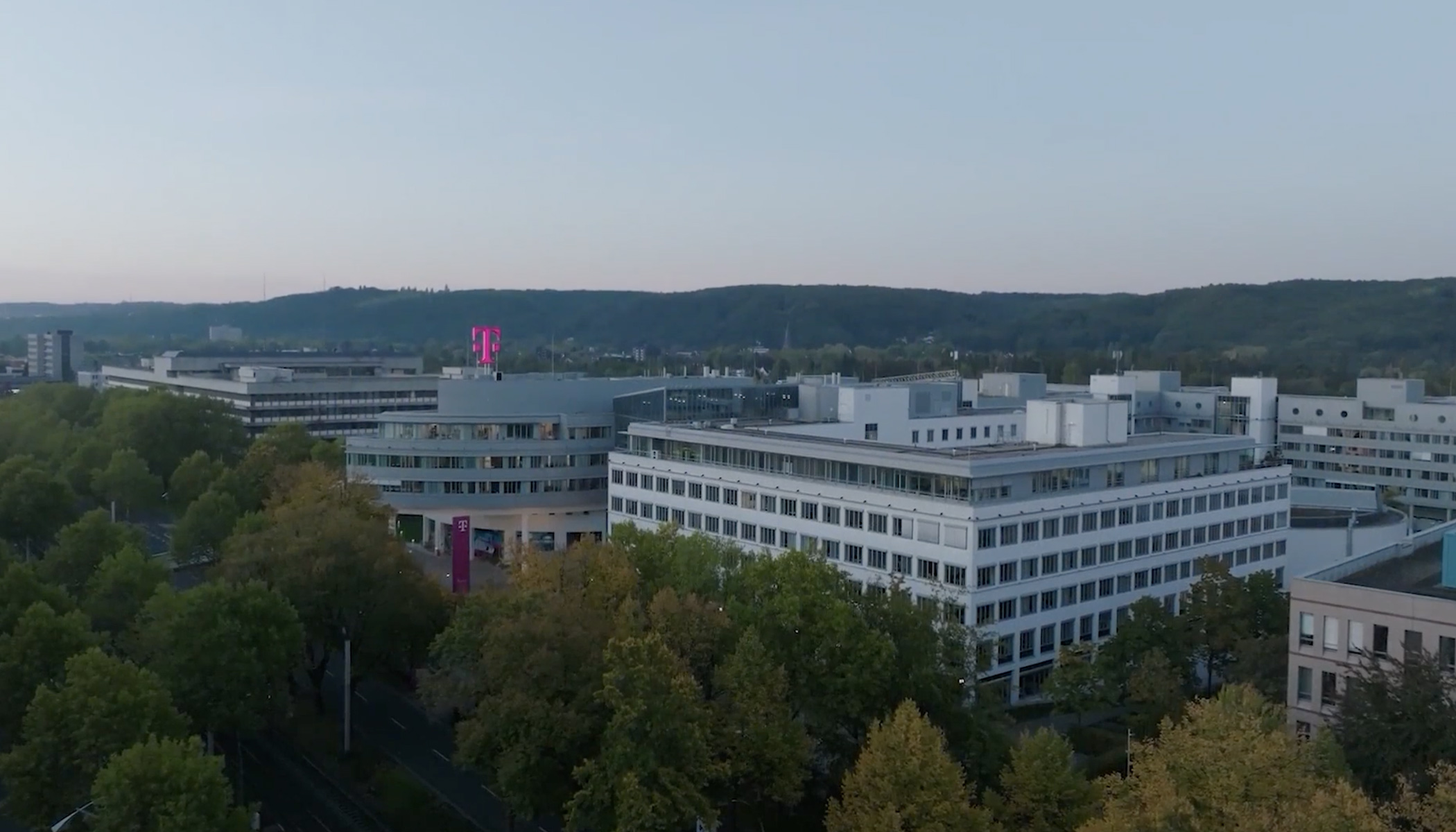
Deutsche Telekom, a global telecommunications and IT services leader operating in over 50 countries with nearly 200,000 employees, embarked on a transformative journey to modernize its B2B contact center operations. Serving thousands of business customers across small, mid-market, large enterprise, and multinational segments, Deutsche Telekom sought to enhance customer service agility and scalability amid a rapidly evolving IT landscape.
Modernizing a Complex Contact Center Environment
In 2024, Deutsche Telekom faced a strategic shift as its IT organization restructured, transferring contact center responsibilities to the line of business. The existing Cisco Unified Contact Center Enterprise (UCCE) and Genesys solutions, supporting approximately 1,500 agents and 1,200 voice entry numbers, were no longer flexible enough to meet growing demands. The company needed a solution that could integrate emerging IT tools swiftly, support a larger agent base, and provide enhanced features to improve customer and agent experiences. Management set an ambitious migration deadline for September 2025, with a final decision made in December 2024.
“The contact center is our interface with the customer,” explains Deutsche Telekom Solution Architect Sebastian Leuser. “We are always searching for the best tools to provide our agents the possibilities to deliver the best possible service to our customers if they have issues or any questions about Deutsche Telekom’s services.”
As a long-time Cisco customer, Deutsche Telekom conducted a thorough evaluation focusing on security, data privacy, feature richness, and AI capabilities. Leuser explains why Webex was the clear winner for their specific needs, “Before we decided for Webex Contact Center, we had a long evaluation phase evaluating data privacy, security features, and also the flexibility because we have lots of special use cases inside our existing solution. The openness of the APIs was also a reason to decide for Webex Contact Center. We could create much more flexible solutions than with other solutions.”
A Strategic Seven Month Migration
In January 2025, Deutsche Telekom embarked on a significant operational transformation, assembling a dedicated 10-person team to standardize and scale their call flows. While early trials began, the official migration was strategically delayed two months to ensure the team could fully leverage the latest Webex Contact Center features. This decision proved pivotal, as it allowed the organization to integrate powerful new tools designed to enhance scalability and refine supervisor oversight, ultimately ensuring a more robust transition.
Central to this success was the introduction of the new Supervisor Desktop, which provides integrated, real-time queue statistics. This feature allows managers to drill down into call volumes and balance agent workloads with unprecedented ease, effectively eliminating the need for cumbersome manual reporting. As Leuser explained, “Our supervisors love the queue statistics natively integrated into the supervisor desktop. Based on that information, they can manage, monitor, and supervise the entire solution and manage the load for the different agents.” Complementing this, the implementation of skill-based routing added a new layer of flexibility, enabling multiple teams to support the same hotlines efficiently and boosting overall agent satisfaction.
The scale of this migration was substantial, encompassing approximately 2,800 agents and highly customized 4,500 voice entry numbers. By capitalizing on the solution’s inherent flexibility, Deutsche Telekom was able to undergo a major internal restructuring while simultaneously simplifying their operational architecture. They successfully reduced their call flow complexity from hundreds of disparate flows down to just a few, resulting in a leaner, faster, and more streamlined management process without losing any customization of any hotline. This transition not only improved operational speed but also dramatically increased supervisor satisfaction, marking a major milestone in the company’s digital evolution.
Advancing the Future of Contact Center Intelligence
Since December 2025, Deutsche Telekom has been pioneering AI adoption through trials of the Webex AI Agent and AI Assistant. These tools are designed to work in tandem: the AI Agent automates routine workflows to optimize processes, while the AI Assistant provides real-time support to enhance individual agent capabilities. By shifting repetitive, standard inquiries to AI-driven self-service models, the company has successfully reduced agent stress and enabled staff to dedicate their expertise to more complex, high-value customer interactions.
Leuser emphasizes the practical impact of these features, noting that tools like automated transcription and case summaries significantly improve documentation quality. “The benefit for the agents… is that transcription and summaries are helping them to improve the documentation in the case,” Leuser explains. “Tools such as Real-time Assist help us to transfer knowledge and also to onboard new agents much faster,” he adds, highlighting how these features act as a force multiplier for the entire team.
Beyond immediate agent support, the business is gaining strategic insights through Topic Analytics, which helps the company understand customer contact drivers and refine their knowledge base for future optimizations. To further boost efficiency, Deutsche Telekom is integrating email handling via Webex Connect, enabling automated notifications and off-hours support to maintain peak operational focus. Looking ahead, the company is preparing for a Phase 2 integration of the full Webex Suite, including Webex Calling, to further unify their operations, supported by comprehensive training initiatives like Vidcast videos to ensure seamless adoption across the organization.
The Tangible Results of Deutsche Telekom’s Webex Migration
The migration to Webex Contact Center has yielded impressive results for Deutsche Telekom, marked by a 150% increase in platform usage, which reflects significantly higher adoption and engagement across the contact center. Furthermore, the company achieved a reduction in costs exceeding 30%. This was accomplished by decommissioning extensive on-premises hardware and replacing disparate third-party tools with native Webex Contact Center functionalities, supplemented by custom developments that leverage open APIs.
While the financial results were clear, the most rewarding outcome was the transformation of Deutsche Telekom’s internal culture. The transition bridged the gap between their contact centers and IT teams, turning a standard support relationship into a true partnership. Today, supervisors and agents are active collaborators, sharing ideas and asking the right questions to drive constant innovation. This shift toward proactive communication is mirrored by tangible improvements in daily operations, particularly through the Webex Contact Center desktop. The supervisor experience has been particularly transformed as the new desktop provides unprecedented detail and flexibility, allowing managers to oversee operations with greater precision. These operational efficiencies, combined with infrastructure savings, allowed the company to realize a full return on investment within the first year of implementation.
Today, Deutsche Telekom manages approximately one million customer interactions monthly through the Webex Contact Center platform, supported by deep integrations with 26 Salesforce instances and ongoing work on ServiceNow. The organization’s technical agility is further bolstered by a dynamic, JSON-based approach to call flow management. This allows the team to update flows in real-time, facilitating the rapid, simultaneous rollout of new features across all hotlines and ensuring the system remains as flexible as the business it supports. This operational flexibility is just the beginning, as Deutsche Telekom now looks to further unify its communication landscape through the full power of the Webex Suite.
Unified Management with Webex Suite
Combining Webex Contact Center with Webex Calling and Webex Suite offers Deutsche Telekom a seamless, end-to-end solution. Leuser described the benefits:
“The benefits of combining Webex Contact Center, Webex Suite, and Webex Calling together is providing seamless solutions for agents and administrators. Agents can steer the soft phone based on the Webex agent desktop, see the presence and status of their peers, and administrators have one single pane of glass for administration, configuration, analytics, and troubleshooting of the solution.”
Deutsche Telekom’s successful migration to Webex Contact Center exemplifies how a large, complex organization can modernize its customer service infrastructure to achieve scalability, cost efficiency, improved customer experiences, and enhanced user experiences. With AI-driven innovations and a unified collaboration platform, Deutsche Telekom is well-positioned to continue delivering exceptional service to its diverse business customers worldwide.
See the impact Webex Contact Center can have on your operations. Contact us today to start your journey toward a more efficient, AI-powered future.
About The Author